






A nighttime view of a tree-lined residential street with illuminated two-story brick houses and street lamps.

AC Installation in Iowa City, IA

Tell us about the job

Takes about a minute. No obligation.

New system or replacementCentral ACJohnson County, IA
Step 1 of 2

What ZIP code is the job in?

Most homes in Johnson County heat with gas, 63.3% of them, with electricity a distant second at 27.6%. That matters for an AC installation because a gas furnace usually shares the ductwork and air handler with the cooling system. If your home already has that setup, adding or replacing central air means matching new equipment to ducts that are already there rather than building a system from scratch. Homes on electric heat are more likely to run a heat pump or electric furnace paired with the air handler, which changes what the installer is matching the new unit to. Either way, what's already in place drives the job more than anything else.

3 months
June through August, your air conditioner is on duty
83°F
the average summer afternoon it cools against
71 hail events
in ten years, and hail bends the fins on outdoor coils
13.4 SEER2
the federal minimum any new unit must meet
Isometric illustration of a cutaway house showing interior ductwork, an indoor air handler and furniture, connected by lines to an outdoor condenser unit on a pad.
Your air conditioner works hardest from June through August.

NOAA nClimDiv, 1991–2020 normals

AC runs here from June through August.

Get the new system in during May and you pick the install date, not the first hot week.

Weather here doesn't change what size unit you need

198 severe weather events from 2015 to 2024
15% of homes statewide lost power a day or more in 2024
87 damaging wind events from 2015 to 2024
A standard system, sized the standard waySummers run June through August, afternoon highs averaging 83°F.

Electricity in Iowa ran about 13.4 cents a kilowatthour in 2024, cheaper than most of the country. That changes how to think about a new AC. The top-tier efficient models cost more up front, and at this rate it takes longer for the lower power bill to make up the difference. A mid-efficiency unit that's sized right and installed well will run you less overall in a lot of cases than the top SEER2 model that fits poorly or gets installed with ducts it was never matched to. Worth spending the conversation with your installer on the right size and a good installation rather than chasing the highest efficiency number on the sheet.

New AC here has to meet 13.4 SEER2, so plan it before the old one fails

Any new split system going into Johnson County has to meet 13.4 SEER2 at minimum, the federal floor for units under 45,000 Btu/h. That's one more thing to settle before the old unit is actually gone and you're deciding under pressure. Get the install scheduled now and you have time to pick equipment that fits your ducts and clears that bar, instead of taking whatever's in stock the week your AC quits.

Find a contractor
A gray residential air conditioning condenser unit mounted on a concrete pad outdoors, surrounded by green grass under a partly cloudy blue sky.

The label tells you a ceiling, not what you'll get

The SEER2 number on the label is a seasonal average, not a fixed rate of power use. Your system runs at full output on the hottest afternoons and throttles back on mild days, so the rating describes performance across a whole range of conditions, not any single moment. A higher number means the compressor and coil move the same heat out of your house using less electricity to do it, but only when the unit is sized and installed to actually reach that rating. An oversized unit short cycles, turning on and off before it finishes a full cooling cycle, and never runs long enough to hit the efficiency the label promises. An undersized one runs constantly and wears parts down faster trying to keep up. The number on the sheet is a ceiling, not a guarantee, and what the ductwork and installation do with it decides what you actually get.

The load calculation sets the price before equipment does

An installer has to work out how much heat your house actually gains in a day, room by room, based on square footage, window placement, insulation and how the ductwork runs. That number decides what size compressor and coil you need. Skip it or guess, and you either pay for capacity the house doesn't need or end up with a unit that can't keep up and wears itself out trying.

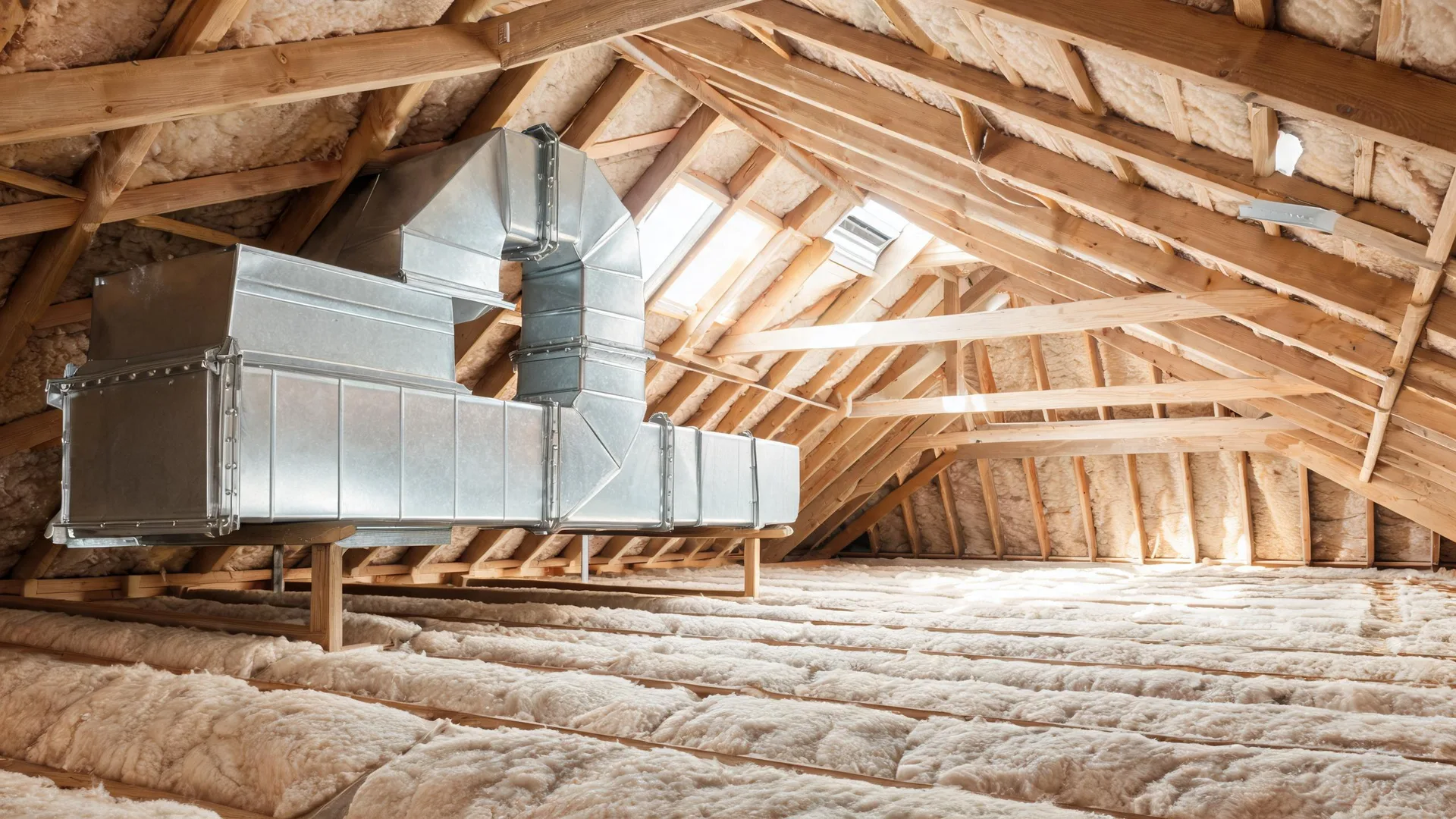
Matching new equipment to old ductwork is where the job gets expensive or doesn't

If the duct sizing, return air and airflow were built for the old system, a new one that moves more or less air than that duct run was designed for won't perform right no matter how good the equipment is. Ducts that need modification, a new line set, or a different spot for the condenser all add labor beyond the unit itself. A straight swap onto ductwork that already fits is a different job than one that requires rebuilding the duct run to match the new system.

An outdoor air conditioning condenser unit mounted on a concrete pad next to a blue-sided residential house at sunset.

A higher-efficiency unit would save about $30 a year to run in Johnson County compared with a new unit at the federal minimum.

  • A higher-efficiency unit$160 a year
  • A new unit at the federal minimum, 13.4 SEER2$190 a year

Estimates for a typical Johnson County home, from EIA household energy data, Iowa fuel prices and NOAA climate normals. Your home will differ.

Install day starts with the old equipment coming out, the indoor coil, the outdoor condenser, and the line set running between them. If the line set is being reused, the installer has to confirm it matches the new refrigerant and pressure requirements, not just that it fits the holes. Setting the new condenser means a level pad outside and enough clearance around it for air to move through the coil. Indoors, the coil goes in above or beside the furnace, and that connection gets tested for leaks before anything is charged with refrigerant. Once it's wired in, the installer runs the system and checks airflow at the vents, the temperature split between the air going in and the air coming out, and the refrigerant charge against what the manufacturer specifies for that unit. None of that is optional. A system that looks installed but hasn't been checked against those numbers can run for a while before the real problem shows up.