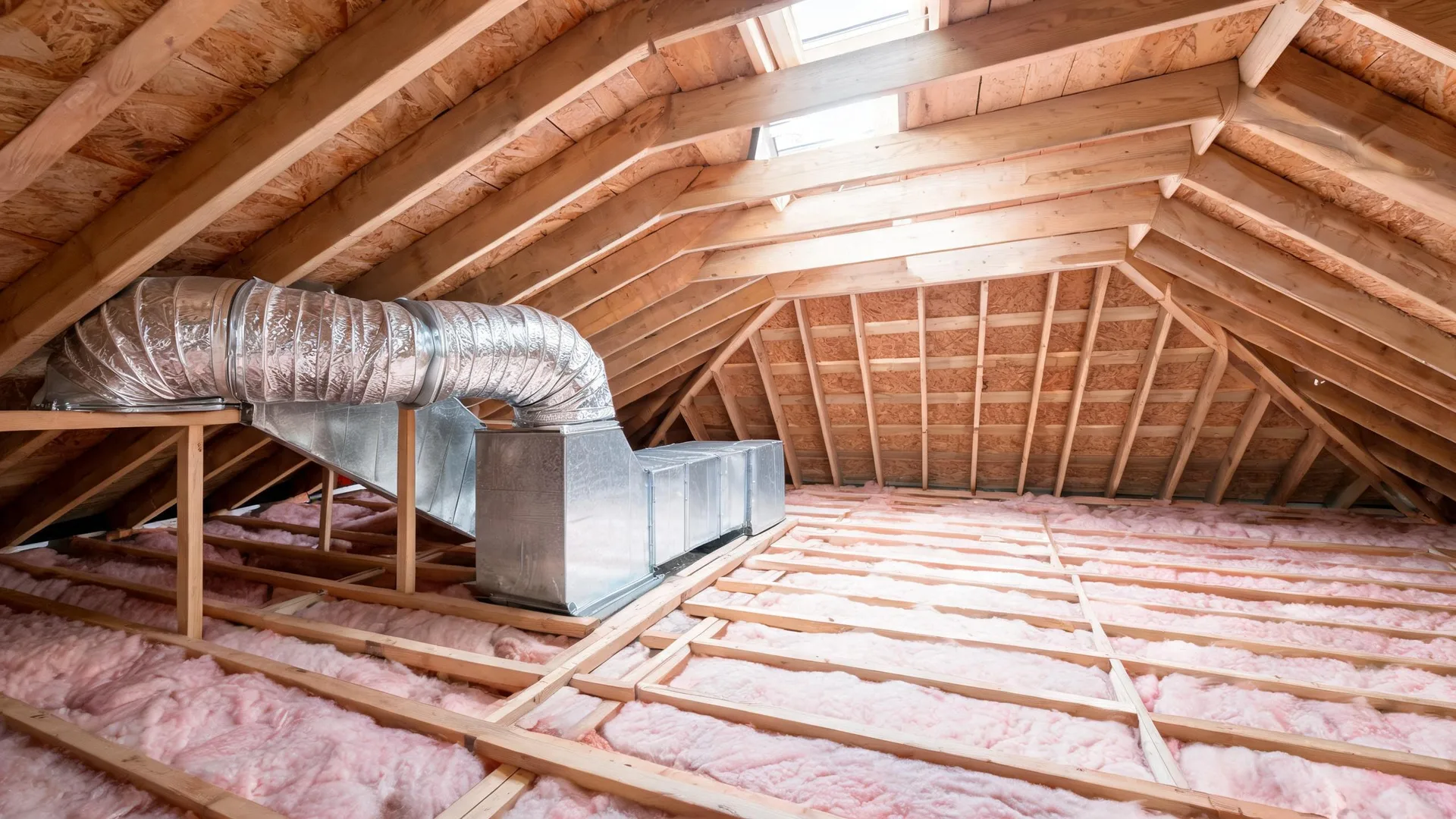
Gas furnaces are the norm here
Utility gas heats 52.8% of homes in Mahaska County, more than electricity and propane combined. A central AC system paired with a gas furnace is the setup most contractors here install and service.
Takes about a minute. No obligation.
Utility gas heats 52.8% of homes in Mahaska County, more than electricity and propane combined. A central AC system paired with a gas furnace is the setup most contractors here install and service.
A new air conditioner has to work with the furnace that's already moving air through your ducts. If that furnace runs on gas, the AC installed alongside it is matched to that blower and that ductwork, not swapped in on its own.

NOAA nClimDiv, 1991–2020 normals
Electricity in Iowa runs 13.40 cents per kilowatthour, below what most of the country pays.
A high-efficiency AC system takes longer to pay for itself here, so picking one for reliability and fit matters more than chasing the highest SEER2 number.




Half the homes in Mahaska County were built in 1965 or earlier. A house that age was almost never built with ductwork sized for central air. Whatever is running through the walls and attic now was likely added later, or it's the original layout stretched to do a job it wasn't designed for. That's not a reason to worry, but it is a reason the new AC has to be sized to the house you actually have, not to a chart. A unit too big for the ducts cycles on and off and never pulls humidity down. One too small runs all day without catching up.
Any new split system going in has to meet 13.4 SEER2 at minimum, the federal floor for this size of unit. Mahaska County sits in climate zone 5A, a cool, humid zone where heating carries the bigger share of the year's work. That doesn't lower what the AC has to meet. A contractor here can walk you through which systems clear that bar and qualify for the federal tax credit.
Find a contractorA load calculation is what makes sure of that fit. A contractor measures your ductwork, your windows, your square footage, and sizes the system to what's actually there, not to a one-size chart. Ask whoever quotes the job to walk you through theirs before they order equipment.
A unit too big for the house cools the air fast and shuts off before it ever pulls the moisture out. The room feels cold and clammy at the same time. It also means more starts and stops on the compressor, and that's where wear adds up.
The calculation weighs window area and orientation, insulation, ceiling height, and how the house is used, against the square footage. Houses the same size on paper can need different tonnage once that's worked out. That's why a contractor measures instead of matching a number off a chart.
Estimates for a typical Mahaska County home, from EIA household energy data, Iowa fuel prices and NOAA climate normals. Your home will differ.
Installation day starts with the old equipment coming out, not the new one going in. The outdoor unit gets disconnected and removed, the indoor coil comes out of the plenum, and the line set linking them gets pulled or replaced. A contractor will braze in new copper line set in most cases, since reusing old lines can carry contamination into a new compressor. Once the new coil is set and the new outdoor unit is in place, the lines get connected, pressure tested for leaks, then pulled into a vacuum to clear out moisture and air before refrigerant goes in. The system gets charged to the manufacturer's spec, checked against line pressures and the temperature split across the coil, and run through a cycle before anyone calls it done. None of that sequence depends on the size of the house or the age of the ductwork, only on what the old setup left behind to work around.