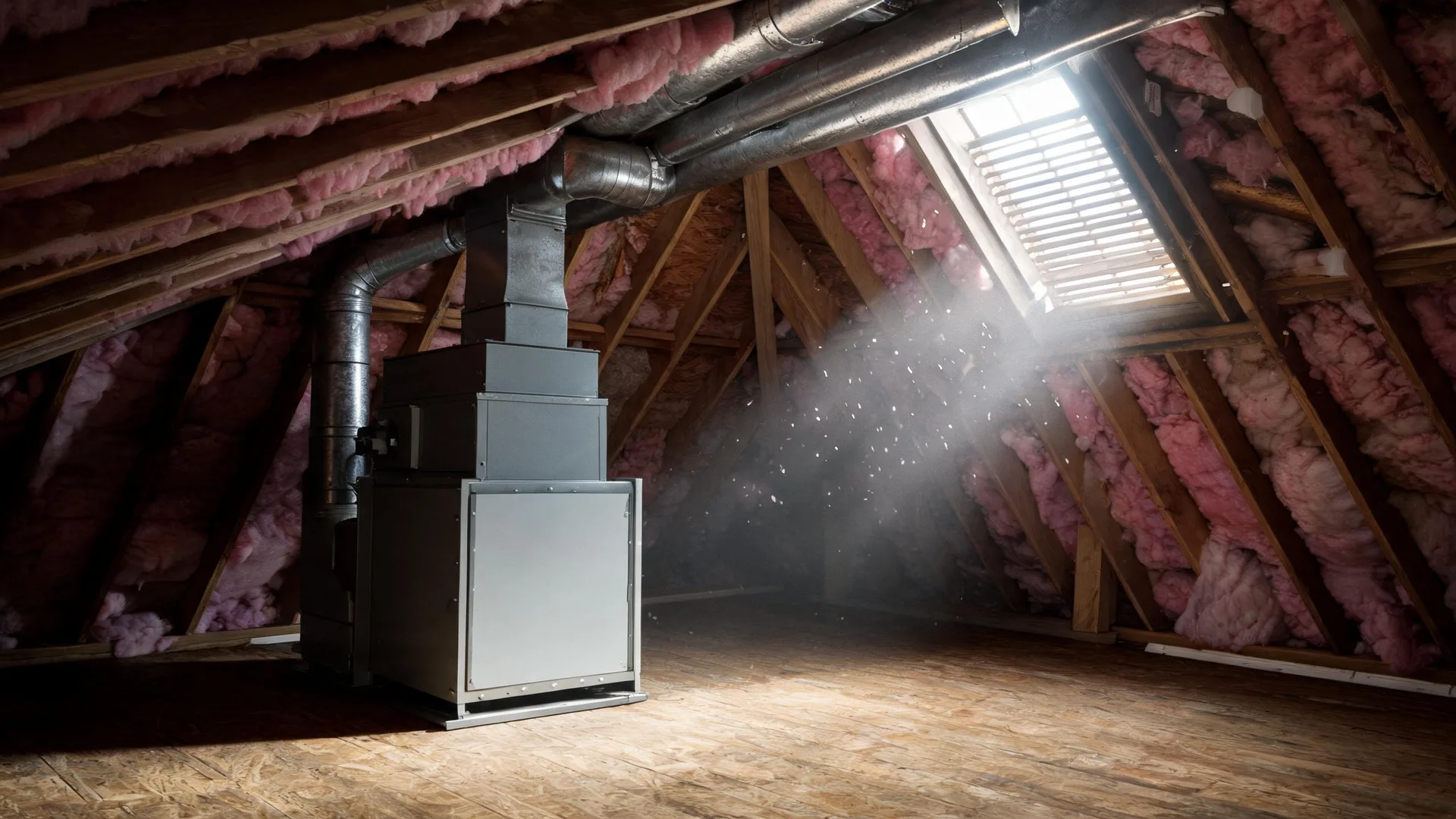
Gas heat is the norm here
About two-thirds of homes in Wapello County heat with utility gas. Central AC installs alongside a gas furnace the same way it always has, sharing the same ductwork and the same air handler.
Takes about a minute. No obligation.
About two-thirds of homes in Wapello County heat with utility gas. Central AC installs alongside a gas furnace the same way it always has, sharing the same ductwork and the same air handler.
If your furnace runs on gas, swapping in new AC is usually a matter of matching the condenser to your existing coil and ducts. The furnace and blower stay as they are, so the job centers on the outdoor unit and the coil, not a system overhaul.

NOAA nClimDiv, 1991–2020 normals
Electricity in Iowa runs about 13.4 cents per kilowatt-hour, below the national average.
A top-tier SEER2 unit costs more up front and takes longer to earn that back here, so picking a reliable match for your ductwork matters more than chasing the highest efficiency number.



Summer here is short. Cooling runs about three months, June through August, with afternoon highs averaging 83°F. That's a normal load for a standard residential system, nothing that calls for extra tonnage or a higher-tier unit. Iowa's electric rates sit below the national average too, so a standard SEER2 unit will do the job without a long payback pushing you toward something pricier. What matters more is matching the new condenser to your coil and ductwork, since that's what decides how well the system actually runs once it's in.
Wapello County falls in climate zone 5A, and any split-system AC under 45,000 Btu/h installed here has to meet at least 13.4 SEER2. That's the floor, not a suggestion, and it narrows which units a contractor can legally put in. Get the specifics for your install before you decide what to put in.
Find a contractorCooling here runs June through August, about three months a year. That's not much runtime on the new system, but May still matters. Get the install done before June and you pick the date. Wait until the first hot week and you're choosing from whatever's left on the truck, on whatever day a crew can get to you.
Once a condenser is pulled, it's done. The refrigerant gets recovered, not reused, and the unit itself is scrapped for the metal. There's no rebuilding it into a backup or a spare.
If the old coil doesn't match the new condenser's refrigerant charge, it comes out with the rest of the system. Leaving a mismatched coil in place is how you end up with a system that never quite hits its rated output, no matter how good the new condenser is.
Estimates for a typical Wapello County home, from EIA household energy data, Iowa fuel prices and NOAA climate normals. Your home will differ.
Install day starts outside. The old condenser gets disconnected, the refrigerant recovered, and the unit set aside before the new one ever comes off the truck. Inside, the coil gets checked against the new system's charge and swapped if it doesn't match. The line set connecting coil to condenser usually gets replaced too, since reusing old lines can carry contamination into a clean system. Once the new condenser is set and leveled, the lines get connected. Then the system gets evacuated to pull moisture and air out, and charged to spec. Last comes the startup check, with a tech reading airflow across the coil, checking refrigerant pressures, and watching the thermostat cycle the system before anyone calls it done.