Most homes here run on gas furnaces
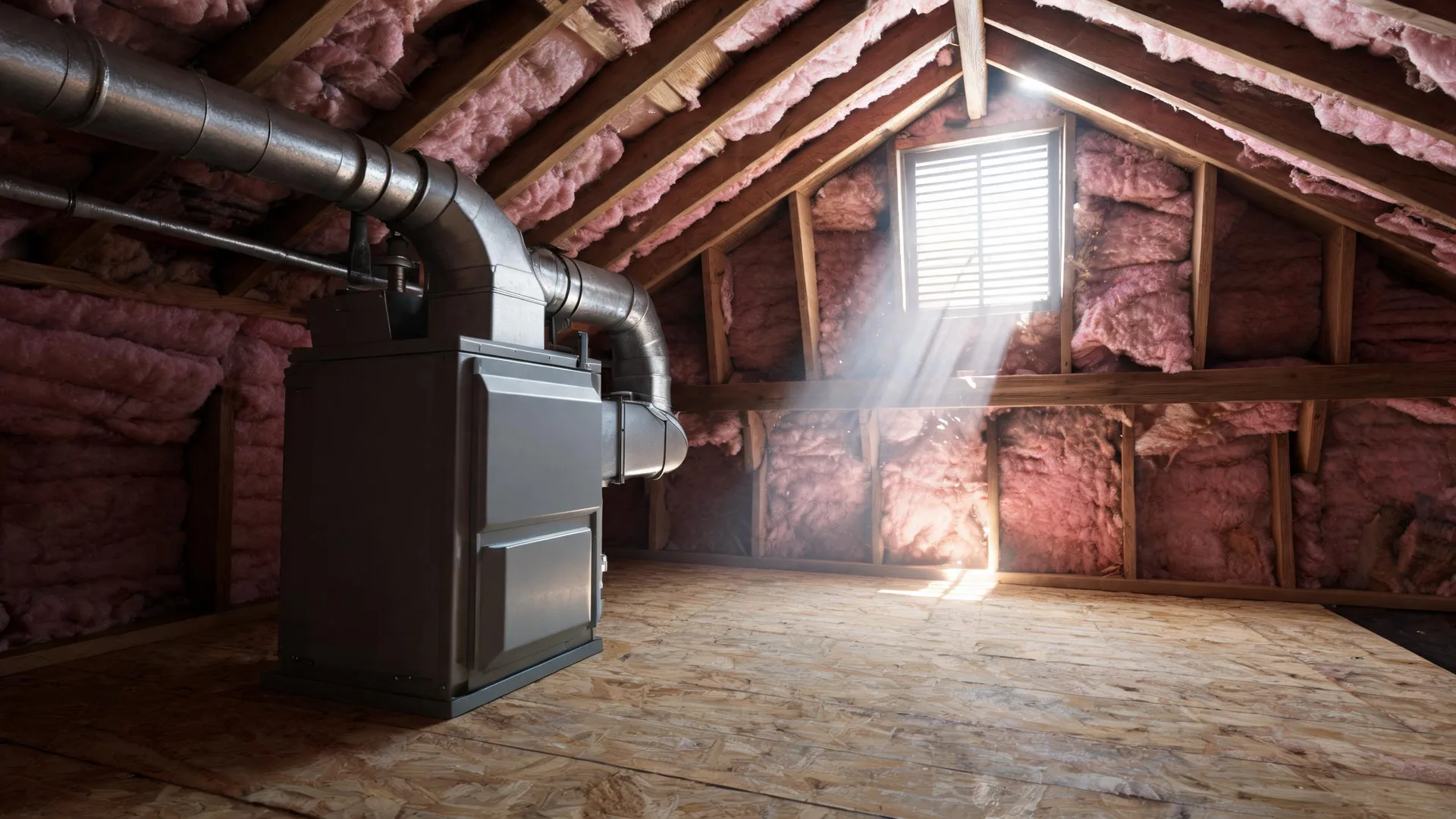
Utility gas heats 57.3% of homes in Dickinson County. That means most houses already have a gas furnace paired with the air handler, with central air built around that same ductwork.
Takes about a minute. No obligation.
Utility gas heats 57.3% of homes in Dickinson County. That means most houses already have a gas furnace paired with the air handler, with central air built around that same ductwork.
If your home heats with a gas furnace, the ducts sizing and layout for AC are mostly decided already. The install is about matching a new condenser and coil to what's already moving air through the house.

NOAA nClimDiv, 1991–2020 normals
Summer here only runs three months, June through August.
A standard size and efficiency rating handles a Spirit Lake summer fine.




Dickinson County sits in zone 6A, the cold end of the energy code. That rating is about winter, not summer. The rule that actually applies to a new AC is federal. Any split-system central air conditioner under 45,000 Btu/h built from 2023 on has to meet at least 13.4 SEER2. That minimum doesn't change based on where you live. A house in Spirit Lake and a house with triple the cooling days answer to the same number. So the zone rating here doesn't push you toward a bigger or more efficient unit. It just confirms that any new system has one clear bar to clear.
A standard size and efficiency fit fine here. There's no local reason to go bigger or pricier.
Find a contractor
The SEER2 number on the label is a ratio, not a fixed amount of cooling. It compares the heat an air conditioner pulls out of the house to the electricity it takes to do that over a summer of running. A higher number means the compressor and coil are moving more heat per unit of power, not that the unit cools the house faster or colder. A low-rated system and a high-rated one can bring the same house to the same temperature on the thermostat. The difference shows up on the electric bill, not on how cold the air feels at the vent. That rating also assumes the system is sized right and installed right, with full airflow across the coil and the correct refrigerant charge. An efficient condenser paired with a dirty coil or ducts that can't move enough air will not deliver the number on its label. The rating describes the equipment under ideal conditions. What the homeowner actually gets depends on the installation around it.
An outdoor condenser is rated to work with a specific coil size. Pair a bigger condenser with an old or mismatched coil and the refrigerant charge never settles right, so the system runs harder and wears faster. Getting that match correct is most of what separates one installation quote from another.
A return too small or ducts that restrict flow will choke even a well-matched system. Fixing that sometimes means adding a return, sealing a duct run, or resizing a plenum before the new equipment goes in. That work is harder to see than the condenser sitting outside, but it decides whether the install holds up.
Estimates for a typical Dickinson County home, from EIA household energy data, Iowa fuel prices and NOAA climate normals. Your home will differ.
Install day starts outside, not in the house. The old condenser and coil get pulled, the line set gets checked, and in most cases replaced rather than reused, since metal that old holds contaminants a new system doesn't want. The new coil goes into the plenum above or beside the furnace, matched to the air handler already there. Copper gets run, joints get brazed, then the whole line set gets pulled into a vacuum to pull out moisture and air before any refrigerant goes in. That vacuum test matters more than almost anything else that day. Skip it or rush it and moisture sits in the system, working against the compressor from day one.