





An outdoor air conditioning condenser unit on a concrete pad next to the gray vinyl siding of a residential home.

AC Installation in Tipton, IA

Tell us about the job

Takes about a minute. No obligation.

New system or replacementCentral ACCedar County, IA
Step 1 of 2

What ZIP code is the job in?

Cedar County runs mostly on gas heat, 52.7 percent of homes, with another 30.6 percent on bottled or LP gas. That's what a new AC here is pairing with, not electric heat. If your furnace runs on gas or LP, the AC doesn't touch it. The furnace handles heat, the AC handles cooling, and the two meet at the coil and the air handler. Worth knowing which fuel your furnace uses before you get quotes, since it tells the installer what they're matching the new unit to.

3 months
June through August, your air conditioner is on duty
82°F
the average summer afternoon it cools against
45 hail events
in ten years, and hail bends the fins on outdoor coils
13.4 SEER2
the federal minimum any new unit must meet
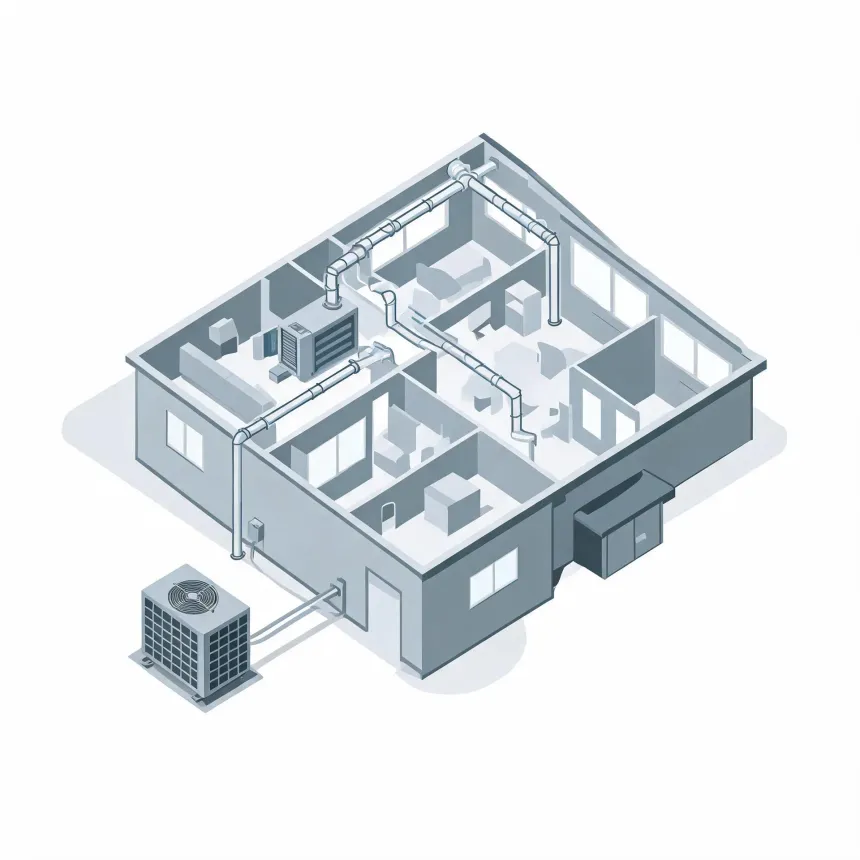
Isometric grayscale illustration of a cutaway house showing interior rooms, ceiling ductwork connected to an indoor air handler, and an outdoor condenser unit linked by lines along the exterior wall.
Your air conditioner works hardest from June through August.

NOAA nClimDiv, 1991–2020 normals

Cedar County sees its share of wind, hail and winter storms, same as the rest of eastern Iowa.

None of that changes what AC a Tipton home needs. A standard size and standard efficiency does the job.

Three summer months, nothing here an AC needs to be built for

Cooling runs June through August
Summer afternoons average 82°F
63 damaging wind events from 2015 to 2024
Cheap power, standard ACIowa homes paid 13.40 cents per kilowatthour in 2024, so a standard unit earns its keep here.

If your house in Tipton is one of the older ones, get the load calculation done before anyone talks tonnage or brand. The installer needs to walk the house, check the duct runs, and see where the old equipment sits before sizing anything. A house built in 1965 or earlier may have had ductwork added or modified more than once since the original furnace went in, so ask the installer what they found when they looked, not what a chart says for the square footage. That walk-through is what tells you whether the ducts can handle a new system as is or need work first.

Put it in before June, not after

Cooling runs June through August here, three months out of the year. May is the one month you have before it starts. Get a new system in then, and the installer is working on your schedule, not around a breakdown once the heat is already on.

Find a contractor
A gray residential air conditioning condenser unit mounted on a concrete pad outdoors, surrounded by green grass under a partly cloudy blue sky.

Built before central air was standard

Half the homes in Cedar County were built in 1965 or earlier. A house that age wasn't built around central air. The ductwork, if it's there at all, was sized for whatever furnace came first, and a new AC has to work with that, not the other way around. This is the point where the installer needs to see the house, not just quote a tonnage off a chart.

Ask for a load calculation, not a guess off square footage

The right tonnage depends on insulation, window area, duct condition and how many stories the house has, not just floor space. A contractor who sizes the system from a room-by-room load calculation is accounting for all of that. One who quotes a tonnage over the phone is guessing, and a system sized wrong runs longer than it should or cycles too often, either way wearing out before it should.

Ask what happens to the existing ductwork

A new outdoor unit paired with old, leaky or undersized ducts will never deliver the cooling its rating promises. Ask whether the installer plans to test static pressure or airflow at the vents, not just swap the condenser and coil. If the ducts need sealing or modification, that work matters as much as the equipment going in.

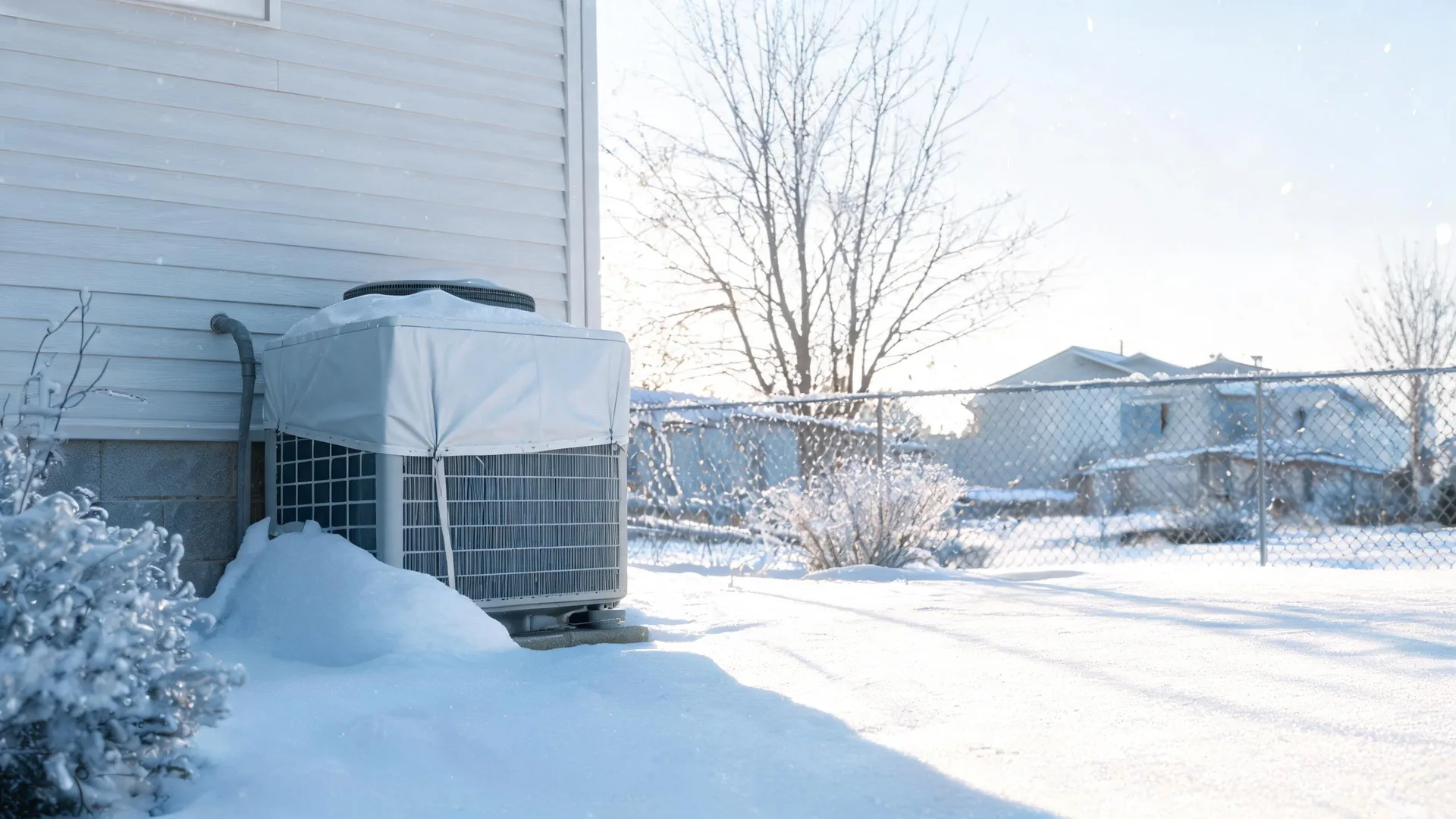
An outdoor air conditioning condenser unit positioned beside a blue-sided house at sunset.

Going above the federal minimum saves little here, about $20 a year.

  • A higher-efficiency unit$160 a year
  • A new unit at the federal minimum, 13.4 SEER2$180 a year

Estimates for a typical Cedar County home, from EIA household energy data, Iowa fuel prices and NOAA climate normals. Your home will differ.

The old condenser and coil don't get left for the new system to work around. A straight swap pulls the old outdoor unit, disconnects the line set, and takes out the indoor coil sitting on top of the furnace, since a new system needs its own matched coil to hit its rated efficiency. The refrigerant in the old unit gets recovered, not vented, that's a legal requirement, not a courtesy. If the line set is in good shape and matches what the new equipment needs, a tech may reuse it, but mismatched line sets are a common reason a new system underperforms. The old pad usually stays unless it's cracked or too small for the new unit's footprint. None of this is optional work tacked onto the install. It's part of the job, every time.