A lit residential street at dusk featuring large two-story brick houses with glowing windows, mature trees, and a street lamp.

AC Installation in Washington, IA

Tell us about the job

Takes about a minute. No obligation.

New system or replacementCentral ACWashington County, IA
Step 1 of 2

What ZIP code is the job in?

Gas furnaces are the common pairing here

Utility gas heats 47.8% of homes in Washington County, more than any other fuel. A new AC system here most often works alongside a gas furnace, with the furnace's blower moving the cooled air through the ducts.

Your installer needs to know what's already there

Electricity heats 26.8% of homes and LP gas heats 20.3%, so the setup varies by house. Tell the installer what currently runs your heat. That determines what the new AC has to connect to and whether any part of the system needs to change to match it.

3 months
June through August, your air conditioner is on duty
83°F
the average summer afternoon it cools against
32 hail events
in ten years, and hail bends the fins on outdoor coils
13.4 SEER2
the federal minimum any new unit must meet
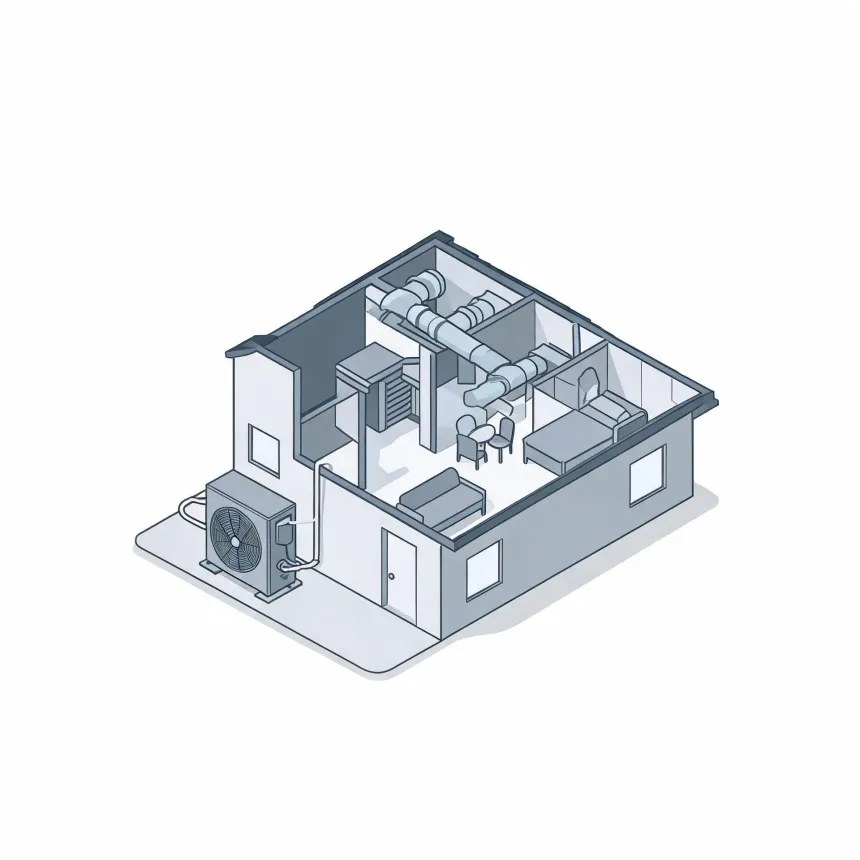
Isometric line illustration of a cutaway house showing interior rooms with furniture and ceiling ductwork, connected to an outdoor condenser unit with a fan beside the building.
Your air conditioner works hardest from June through August.

NOAA nClimDiv, 1991–2020 normals

The efficiency rating tells you how much cooling a system gets from the power it uses, not how strong it is.

A higher-rated system costs more up front and less to run, so weigh that against how long you plan to keep it.

Half these houses were built before central air was common

Half the homes here were built by 1964
Cooling runs June through August
Summer afternoons average 83°F

Iowa electricity ran 13.40 cents per kilowatt-hour in 2024, cheaper than most of the country. That changes the math on which system to buy. A high-efficiency AC costs more up front, and here it takes longer to earn that back in lower bills. That does not make efficiency worthless, but it means the rating should not be the only thing you weigh. How long you plan to stay in the house, how well the unit matches your ductwork, and how it's installed will do more for you than chasing the highest number on the sticker.

Get it in before June

Cooling runs June through August here. Put the new system in during May and it's already running before the first hot week shows up.

Find a contractor
A man in a dark shirt and brown work pants, seen from behind, carries a worn duffel bag up stone steps toward a dark green front door of a house with light siding and a potted shrub.
A gray residential air conditioning condenser unit mounted on a concrete pad outdoors, surrounded by green grass under a partly cloudy blue sky.

Match the system to the ducts you have

If your house falls on the older side of that line, the ductwork was most likely added later to fit a furnace, not sized for an AC system from the start. Have the installer check duct size and layout before they pick equipment, not after. A system that moves more air than those ducts can carry will run louder and cool less evenly, no matter what the rating sticker says.

Bigger isn't better

An oversized AC cools the air fast and shuts off before it pulls the moisture out of the room. The house ends up cool and clammy at the same time, and the compressor is starting and stopping all day instead of running a steady cycle. That short cycling wears on the compressor more than a long, even run does.

How a contractor sizes it

The right size comes from a load calculation, not the size of the unit being replaced. That calculation looks at the square footage, the window area and orientation, the insulation, and the ceiling height, room by room. Houses that look alike from the street can need different tonnage depending on how much glass they have and which way it faces.

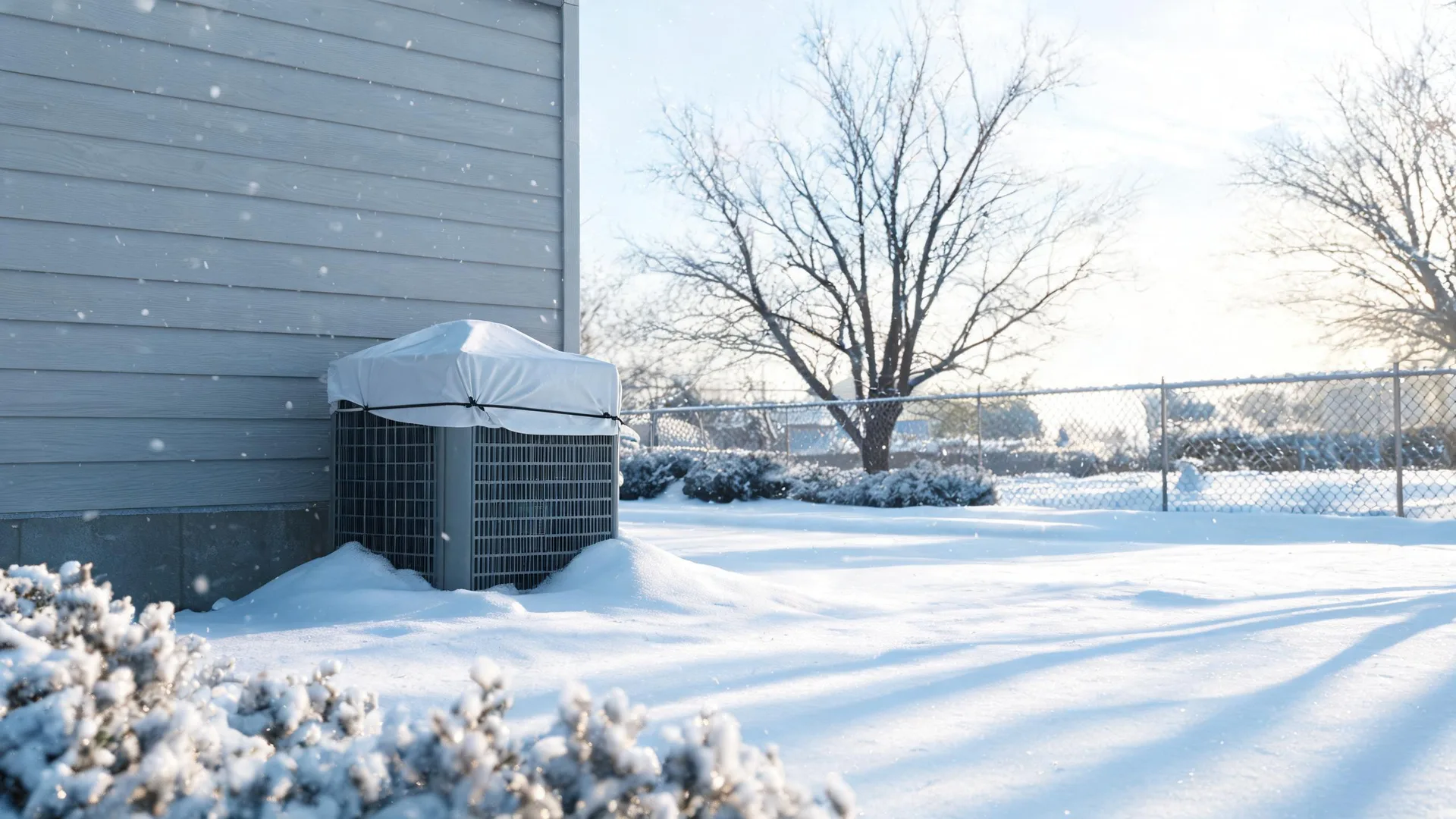
An outdoor air conditioning condenser unit positioned beside a blue-sided house at sunset.

A higher-efficiency unit would save about $30 a year to run in Washington County compared with a new unit at the federal minimum.

  • A higher-efficiency unit$170 a year
  • A new unit at the federal minimum, 13.4 SEER2$200 a year

Estimates for a typical Washington County home, from EIA household energy data, Iowa fuel prices and NOAA climate normals. Your home will differ.

An installer starts by disconnecting and draining the old system, the outdoor condenser and the coil that sits in the plenum by the furnace. If the new equipment uses a different refrigerant, the old line set comes out and new copper gets run between the coil and the condenser. Every joint gets brazed and then pressure tested, because a slow leak there will show up as weak cooling months later, not that day. Before any refrigerant goes in, the line set gets pulled into a vacuum to clear out air and moisture, both of which cause problems if left behind. The system then gets charged to the exact spec the manufacturer lists for that unit, not just filled until it feels right. Before the crew packs up, the system should run a full cooling cycle while someone checks the airflow at the vents and the temperature drop across the coil.