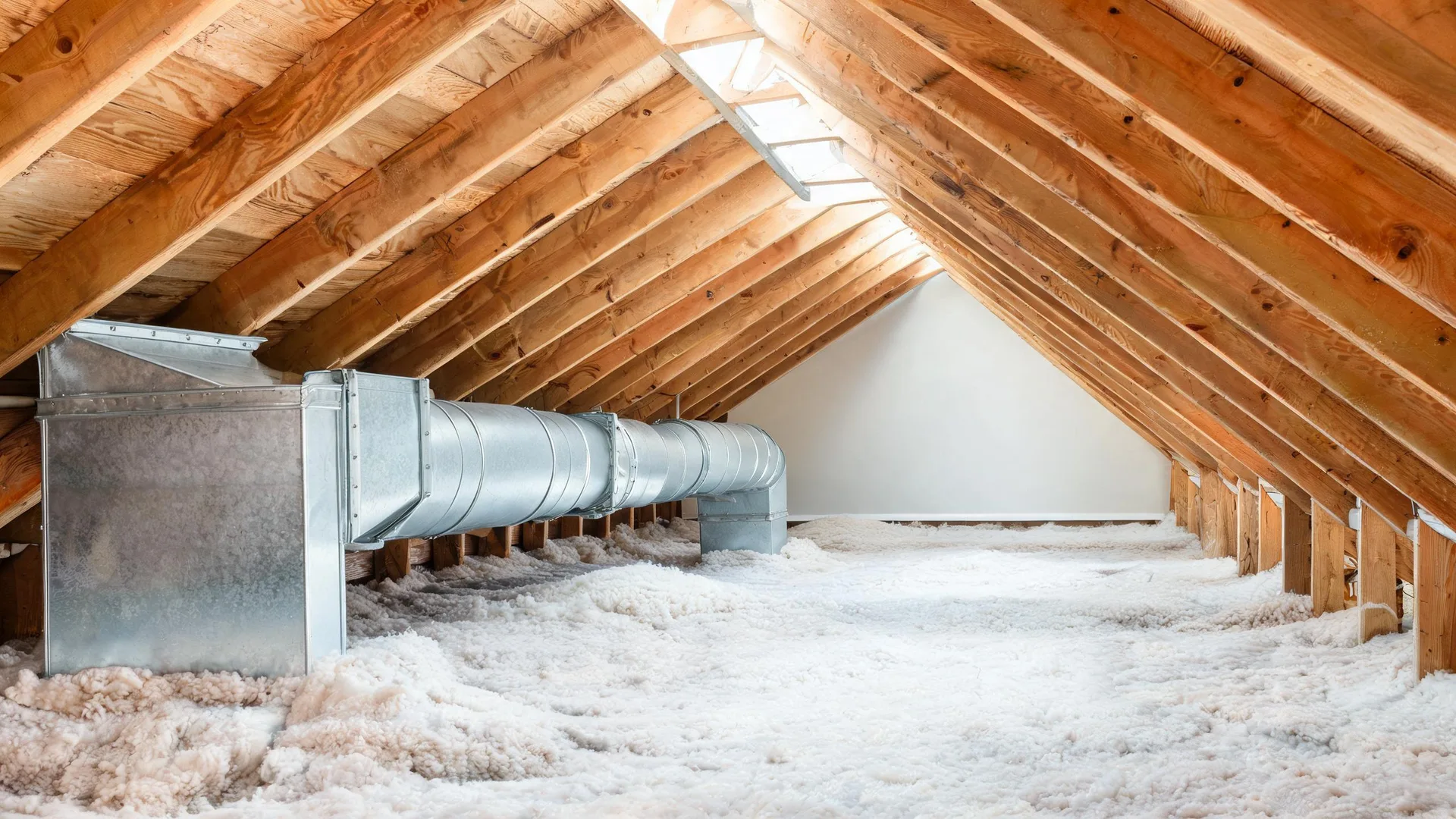
Gas furnaces are the common pairing here
Utility gas heats 59.2% of homes in Dallas County, with electricity a distant second at 32.1%. A new AC installed here most often ties into a gas furnace, sharing the ductwork and the air handler.
Takes about a minute. No obligation.
Utility gas heats 59.2% of homes in Dallas County, with electricity a distant second at 32.1%. A new AC installed here most often ties into a gas furnace, sharing the ductwork and the air handler.
If your home heats with gas, the new AC needs a coil and ductwork sized to match that furnace, not swapped in on its own. An installer will check what you already have before quoting equipment.
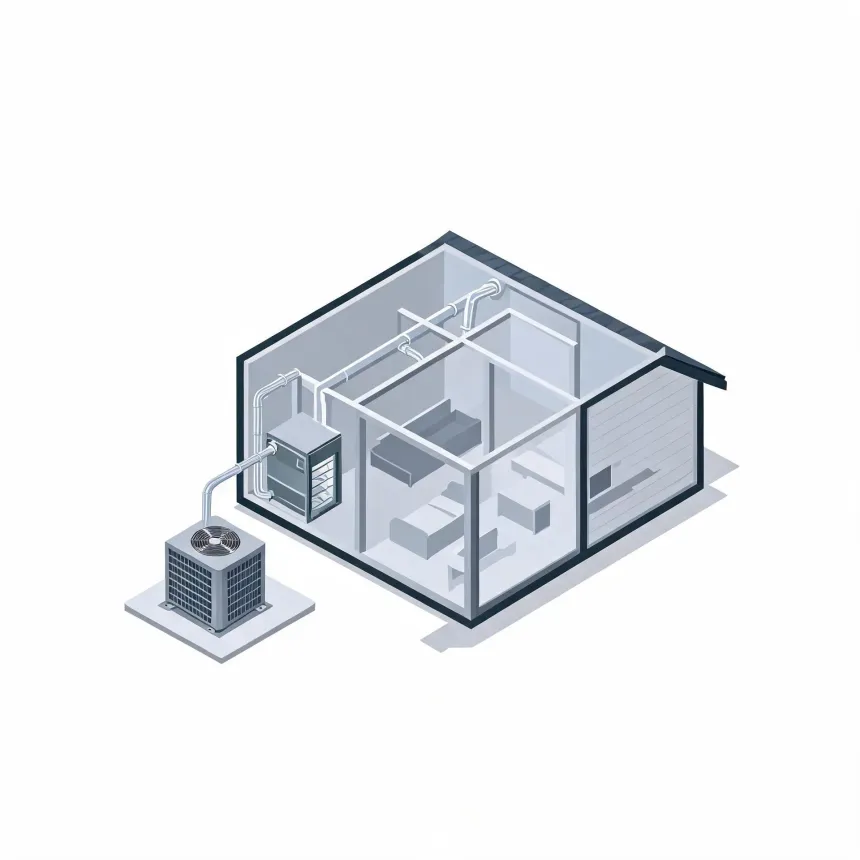
NOAA nClimDiv, 1991–2020 normals
Cooling in Dallas County runs June through August.
Get the new system in by May, ahead of the first hot week and everyone calling in behind you.



Electricity in Iowa ran 13.40 cents per kilowatthour in 2024, cheaper than what most of the country pays. That changes the math on which AC to install here. A high-efficiency model costs more up front, and the monthly savings that pay it back build up slower when power is this cheap. The top-tier SEER2 unit is not the automatic right call for every home. Ask the installer to size the system to your house first, then weigh the price difference against Iowa rates, not national ones.
Dallas County has had its share of wind, hail and the odd tornado, same as the rest of this part of Iowa. None of that changes what an AC install here needs to be. Standard equipment, sized to your house and your existing furnace, holds up through those events same as it would anywhere else. Nothing about this county calls for oversizing or upgrading past what the house actually needs.
Find a contractorComparing systems only works if the quotes are for the same thing. Ask what tonnage and SEER2 rating each quote is based on. Ask how that number was reached. A load calculation looks at square footage, insulation, window count and orientation to size the system to the house. A contractor who quotes without measuring the house is guessing, and a guessed size runs long, short-cycles, or leaves rooms uneven. Ask what is included in the price. A new line set or the old one reused. A new pad. The coil, the disconnect, the condensate line. Quotes that look close in price can cover very different amounts of work. Ask about the warranty on the compressor and the warranty on labor, since those run on different terms and different things can void each one. Ask how the installer checks the refrigerant charge when the job is done. A charge weighed in and checked against the manufacturer's spec holds up differently than one set by eye on a gauge.
The rating on the label comes from a test run under fixed conditions. Your system runs in real heat, cycling on and off to hold whatever temperature the thermostat is set to. A high rating says what the equipment can do under ideal conditions, not what it will do installed in your house.
A high-efficiency compressor still pushes air through the ducts already running through the house. Leaky joints, crushed flex duct, or a return that is too small make the system work harder to hit the same temperature, and that extra work is efficiency you paid for but will not get back. The ducts are worth checking before picking equipment based on the rating alone.
Estimates for a typical Dallas County home, from EIA household energy data, Iowa fuel prices and NOAA climate normals. Your home will differ.
Install day starts with the old equipment coming out, not the new unit going in. The condenser gets disconnected and hauled off. The old coil comes out of the plenum. The line set gets removed, or flushed out if any of it is being reused. A new pad or bracket goes down for the condenser. The coil gets set into the plenum and sealed. New line set gets run and connected. Before any refrigerant goes in, the installer pulls a vacuum on the line set to clear out air and moisture. That vacuum has to hold steady, and that's how the installer knows the system is sealed and ready to charge. Then comes the refrigerant charge, weighed to what the equipment calls for, followed by a run of the system to check airflow and confirm the thermostat is talking to the new equipment. Skipping ahead on any of these steps is what shows up as a problem months later.