





An outdoor air conditioning condenser unit positioned beside a blue-sided house at sunset.

AC Installation in Waverly, IA

Tell us about the job

Takes about a minute. No obligation.

New system or replacementCentral ACBremer County, IA
Step 1 of 2

What ZIP code is the job in?

Gas furnace paired with central air is the standard setup around Waverly, since utility gas heats 57.9% of homes in Bremer County, more than any other fuel. Electricity and LP gas split most of what's left. Central air uses the furnace's existing ductwork and blower motor to move cooled air through the house, so the furnace matters even when the job is about the AC. If your system came with the house, it's worth finding out whether that blower can handle the new unit, and whether the coil size matches what's being installed.

3 months
June through August, your air conditioner is on duty
81°F
the average summer afternoon it cools against
15 hail events
in ten years, and hail bends the fins on outdoor coils
13.4 SEER2
the federal minimum any new unit must meet
Isometric line illustration of a cutaway house showing interior rooms with furniture, ceiling ductwork, an indoor air handler, and an outdoor condenser unit connected by lines.
Your air conditioner works hardest from June through August.

NOAA nClimDiv, 1991–2020 normals

Electricity in Iowa runs 13.40 cents per kilowatthour, below the national average.

A high-SEER2 system takes longer to earn back its extra cost here, so picking the right size and a contractor who installs it correctly matters more than chasing the top efficiency number.

Three months of summer means your AC won't work hard here

Cooling runs June through August
Summer afternoons average 81°F
37 damaging wind events from 2015 to 2024

Half the homes around Waverly were built in 1970 or earlier. A house that age usually wasn't set up for central air from the start, so the ductwork may have been added later or sized for a smaller system than what's going in now. Supply runs that are too narrow or too few can leave one room cold and another warm no matter how good the new condenser is. It's also worth checking the electrical panel before installation day, since older homes sometimes carry less capacity than a new system calls for. None of this means the job can't be done right. It means the ductwork and the panel deserve a look before anyone decides what size unit goes outside.

Have your new AC ready before June

Cooling starts in June here and runs through August. Putting in a new system in May means it's set up and tested before it has to work, not during the first hot week of summer.

Find a contractor
A gray cylindrical air conditioning condenser unit mounted on a concrete pad next to a light-colored vinyl-sided house exterior.

Right-sized runs less hard, not just less often

A condenser sized right for the house spends most of its cycle doing steady, boring work, and that's what makes it last. One that's too big shuts off almost as soon as it starts, and that start is the hardest thing the compressor does all day. A unit that short-cycles for years wears at the compressor and the contactor faster than one that just runs. Sizing isn't about buying more capacity for safety's sake. More tonnage than the house needs doesn't mean better cooling, it means a shorter life.

Sizing the unit takes more than square footage

A contractor works out heat gain from the walls, windows, attic insulation and duct layout before picking a tonnage. Houses that look alike from the street can call for different size condensers. Installing a unit bigger than the house calls for costs more up front and cycles on and off instead of running steady, which leaves the air damp and uneven.

The coil and the furnace have to match the new condenser

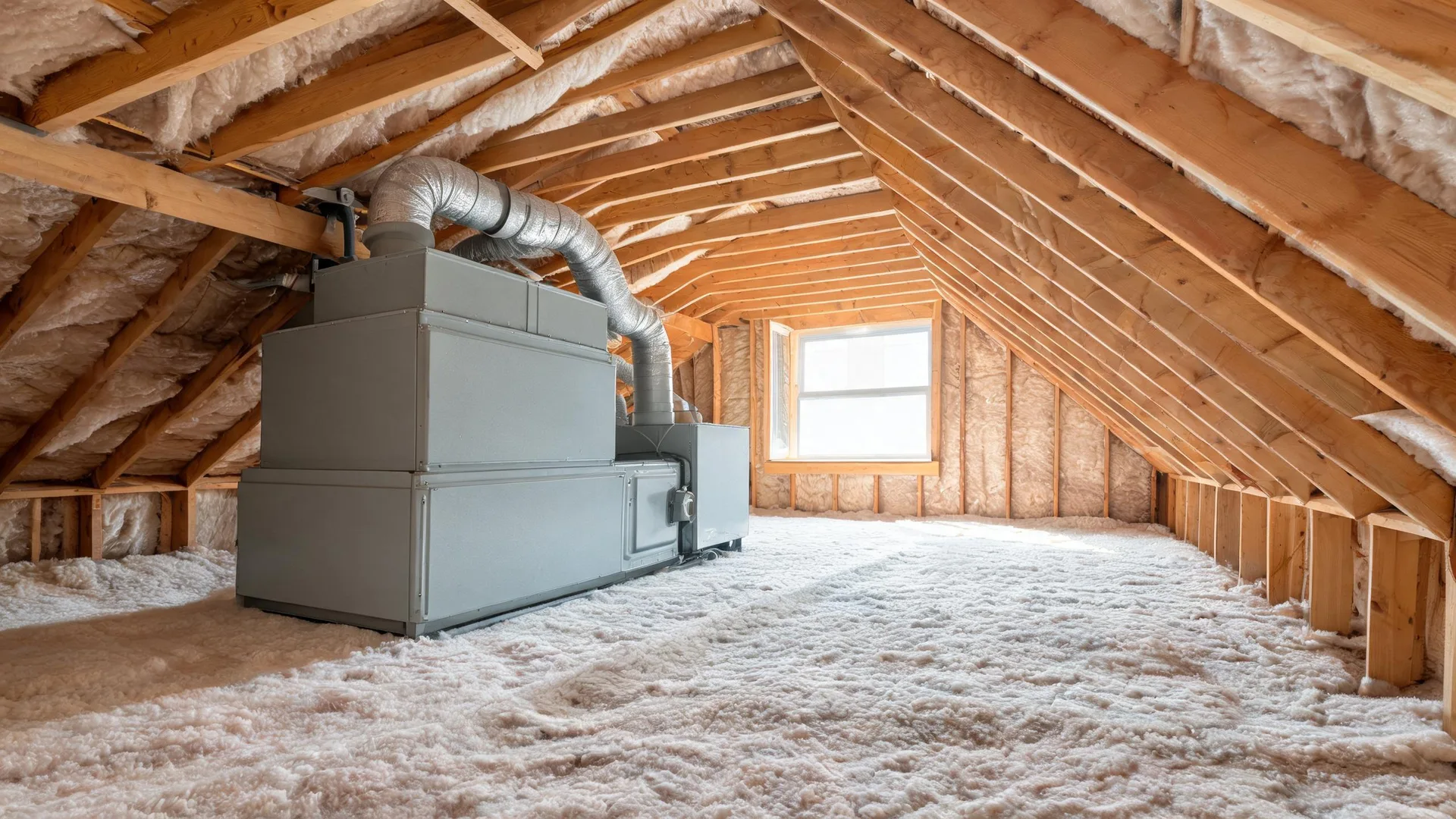
The outdoor condenser and the indoor evaporator coil are sized as a pair, and the coil has to sit on a furnace or air handler that can move enough air across it. Reusing an old coil or blower with new outdoor equipment can leave the system short on airflow, which shows up later as poor cooling or a coil that ices over.

Aerial view of a gray outdoor air conditioning condenser unit mounted on a concrete pad next to a house with vinyl siding.

Going above the federal minimum saves little here, about $20 a year.

  • A higher-efficiency unit$130 a year
  • A new unit at the federal minimum, 13.4 SEER2$150 a year

Estimates for a typical Bremer County home, from EIA household energy data, Iowa fuel prices and NOAA climate normals. Your home will differ.

Installation starts outside with the old condenser coming out and the new pad or stand getting leveled and set. Indoors, the coil goes in above or beside the furnace, and that's where most of the real work happens, since the coil has to seal into the plenum without choking off airflow. New line sets get run between the coil and the condenser, then the whole system gets pressure tested for leaks before any refrigerant goes in. Once it holds pressure, the lines get charged, the electrical hookups get made at the disconnect, and the contractor runs the system to check the charge against the manufacturer's specs. Last comes airflow, checking what's coming out of each register, because a system can be charged perfectly and still cool poorly if the air isn't moving right across the coil.